
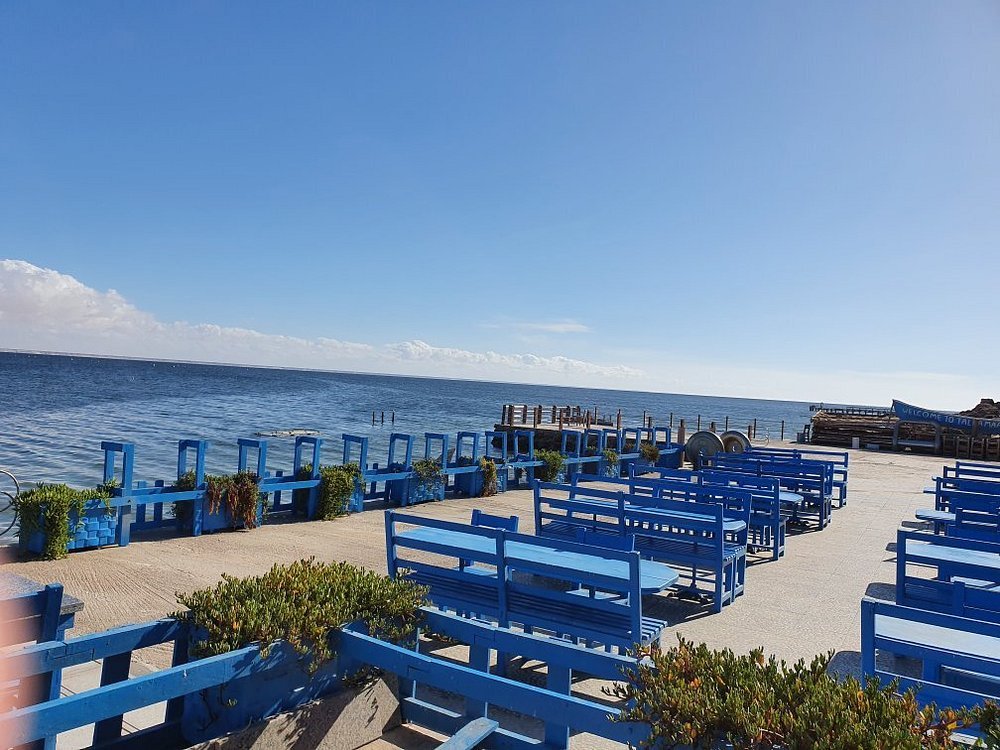
What to eat in Dakhla? Oysters, fish and specialities to try
Published on July 12, 2026
A food lover's guide to Dakhla's oysters, fish, octopus and Moroccan dishes, with advice on choosing, opening hours and good practice.
A destination where the bay ends up on the plate
Dakhla's food scene is closely tied to fishing and shellfish farming. Oysters appear on many menus, but travellers also discover grilled fish, octopus, squid, tagines, soups and more familiar Moroccan recipes. To eat well, do not look only for a waterside setting. Watch how fast the tables turn, ask about the day's arrivals and accept that a product may be unavailable. A short menu can be a good sign when it follows the day's catch. The Dakhla restaurants page helps you spot several styles, from the urban table to the place set near the oyster parks.
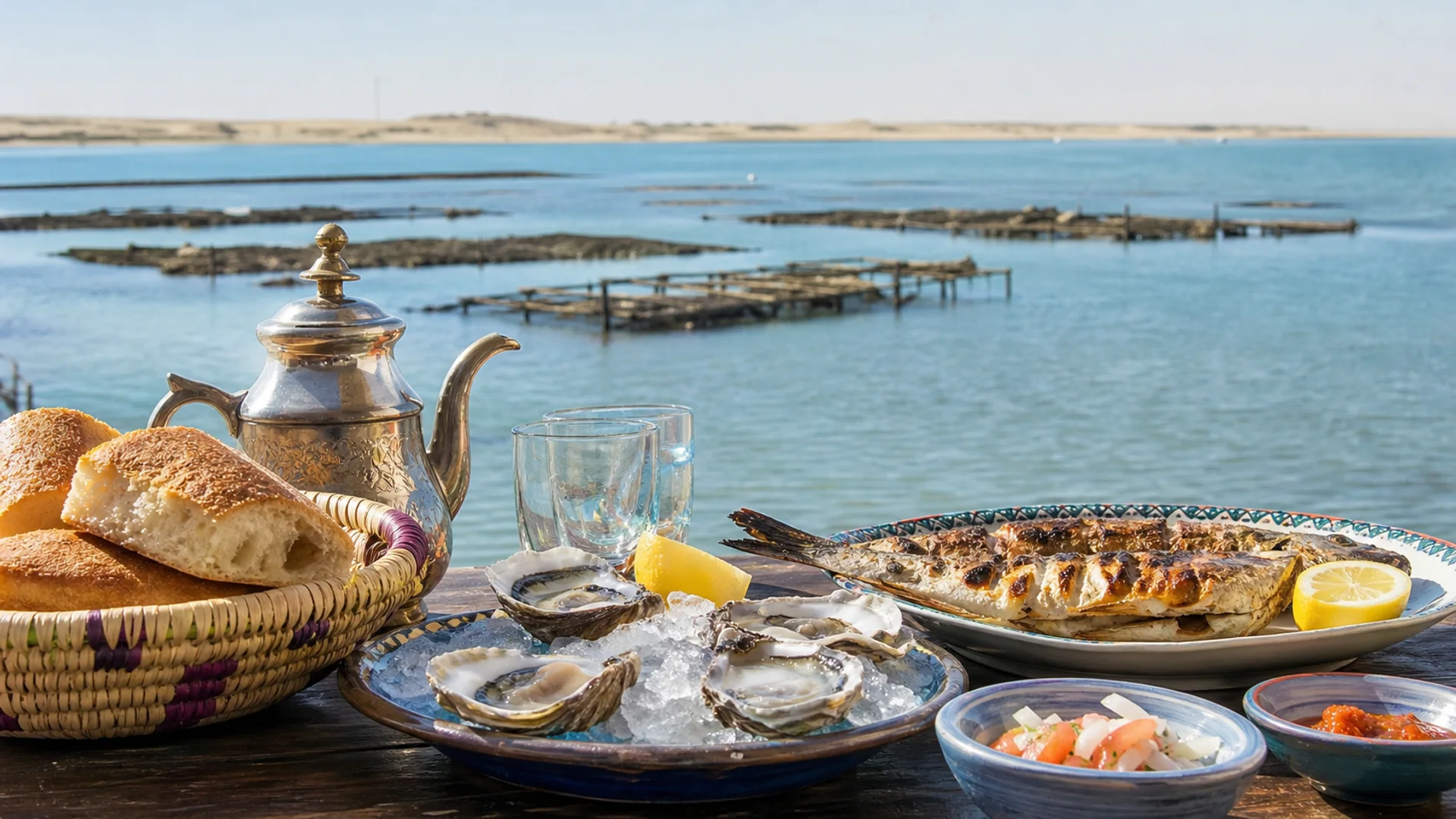
Dakhla's oysters: how to discover them
Start with a small quantity to appreciate their texture and salinity. Ask about the origin, the size and how they were stored. They may be served plain, with lemon or as part of a wider tasting. An address like Talhamar is often associated with this experience, but check the opening hours and book before making the trip. An oyster farm is not necessarily open continuously like a city-centre restaurant. If you are pregnant, immunocompromised or subject to medical advice, consult a health professional before eating raw shellfish.
Grilled fish, octopus and seafood
Ask what fish is available rather than fixating on a species read in an old review. The price may be per portion or by weight; have the method clarified before cooking. A simple grill lets you taste the product, while a tagine adds spices, vegetables and sauce. Octopus is part of the region's economic identity and comes in various preparations. Establishments such as My Octopus Dakhla illustrate this specialisation. To share, order gradually: a starter, a main and then a top-up avoid waste and let the meal adjust to the group's real appetite.
Don't forget everyday Moroccan cooking
A stay made up solely of seafood platters misses the breakfasts, breads, pancakes, tagines, couscous, skewers and tea. In town, the addresses frequented by locals offer a different rhythm from the resort restaurants. Ask for the dish of the day and accept the cooking time of a tagine made to order. The market helps you identify the available produce, but do not photograph the vendors without permission. Stop by the municipal market in the morning, then choose a lunch nearby. This day rounds out the gourmet tour of the farms further along the bay.
How to judge an address without relying only on ratings
Read recent reviews looking for concrete information: freshness, clear prices, waiting time, payment, access and how children are welcomed. An average rating sometimes blends several years, team changes and very different expectations. Call to check the opening, especially for a remote place. On site, look at the general cleanliness, the state of the tables and the way cold products are displayed. If a smell, a temperature or an explanation worries you, choose a well-cooked dish or leave. The desire for a local experience should never force you to ignore a reasonable doubt.
Building a three-day food trail
On the first day, discover the urban cooking with a Moroccan dish and a visit to the market. On the second, book an oyster lunch on the bay, possibly combined with a lagoon excursion. On the third, choose grilled fish or octopus on the city or ocean side. This organisation avoids multiplying long journeys just to eat. It also leaves time to gauge your tolerance to raw products. Build the meals into the itinerary: a lunch near the White Dune or PK25 must be coordinated with the driver. Browse the activities to combine food and discovery within the same area.
Budget, booking and payment methods
Prices vary with the product, the weight, the setting and the formula. Ask for a menu or an estimate before ordering a large piece of fish. Keep dirhams in small notes, even though some addresses take cards. For a group, check whether the bill can be split. Full-board hotels can prepare a packed lunch or adapt a meal, but the request must be made in advance. If you have an early flight, do not count on breakfast at the normal time: ask for a solution the day before. A clear booking prevents most disappointments and respects the work of a small team cooking to the day's arrivals.
The place of oysters in the official presentation
The Moroccan National Tourist Office lists oysters among Dakhla's must-tries. This recognition explains their place in the tourist experience, but it does not replace checking the address, the opening hours or your personal precautions. Storage conditions and health advice matter more than a photo. So treat the tasting as an encounter with a local product, not an obligation. People who do not eat shellfish have plenty of cooked, vegetarian or meat alternatives; simply mention any constraints when booking.
Before confirming your programme
Practical information changes faster than the landscapes: schedules, prices, road conditions, tides and availability should be checked shortly before departure. Keep one flexible day, ask for written confirmations and avoid stacking several non-refundable services on the same day. Suitable insurance, an offline copy of your bookings and a reachable local contact bring more security than a minute-by-minute agenda. To round out this guide, browse the accommodation, restaurants, activities and useful services already vetted in the directory. You will easily replace a cancelled outing, choose a nearby address and keep time for what makes Dakhla charming: the light, the wind, the encounters and the sense of space. A realistic programme always leaves room for rest and the unexpected.
Finally, reread the programme as if you had to explain it to someone else: where does each day start, who provides the transport, which meal is planned and what is the fallback if the activity cannot take place? This check quickly reveals the grey areas. Keep the important contact details on your phone and on paper, tell your accommodation if you will return late and follow the local teams' instructions. In Dakhla, distances, wind and tide shape the organisation far more than in a classic urban destination. Planning for these constraints takes nothing away from the adventure; on the contrary, it frees up time and attention to enjoy the trip to the full.
Frequently asked questions
Where can you eat oysters in Dakhla?
Several tables near the oyster parks and some bay restaurants serve them. Check the opening hours and book before travelling.
Do the restaurants only serve fish?
No. Tagines, couscous, skewers, vegetarian dishes and international cuisine are also available depending on the address.
Should you book restaurants?
It is recommended for remote addresses, groups and tastings linked to an oyster farm.